ThermaLine Ice Melt Systems
Our heated panels are designed to safely eliminate snow and ice buildup before it becomes a problem.



Our heated panels are designed to safely eliminate snow and ice buildup before it becomes a problem.


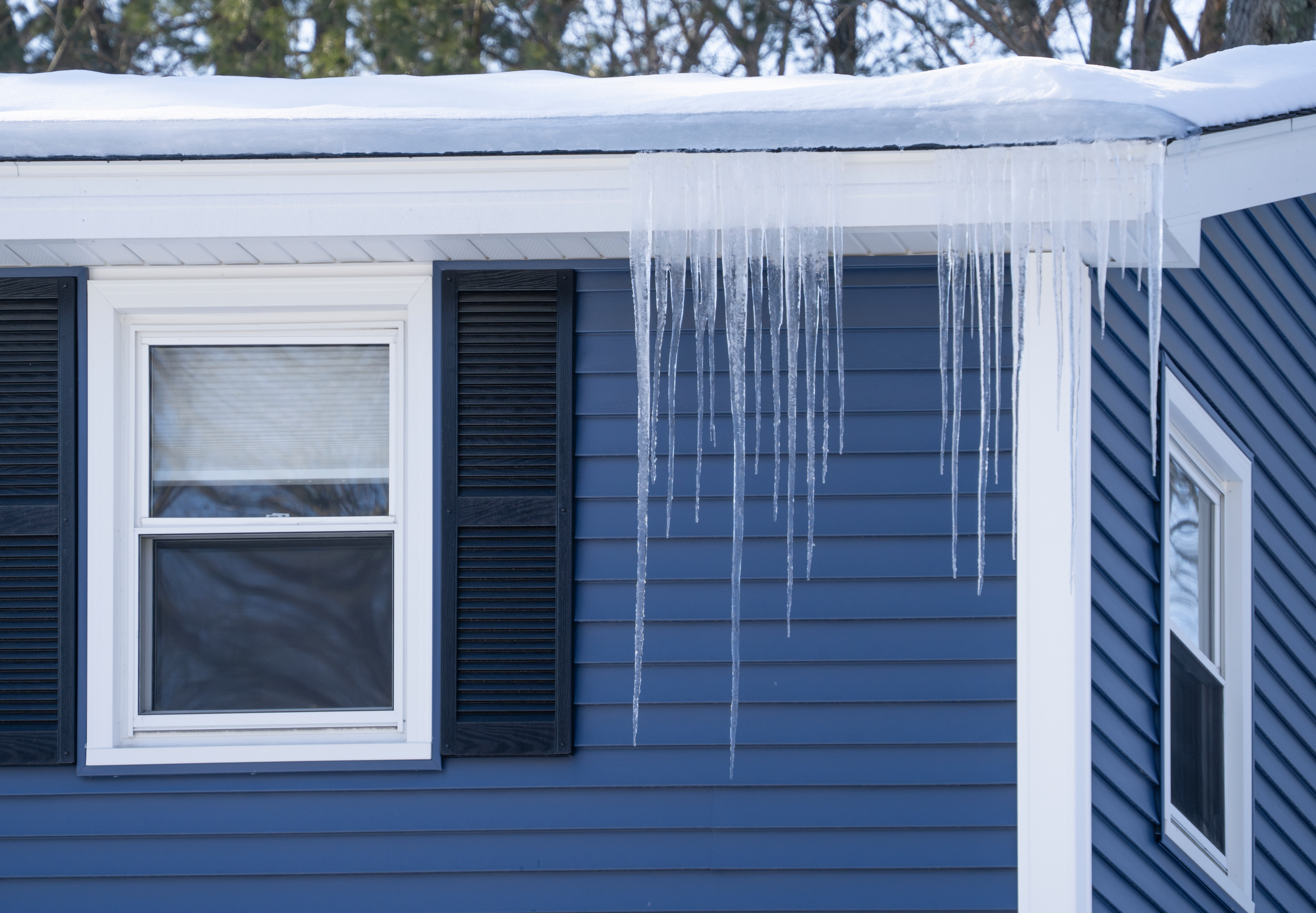
For commercial property owners and facility managers across the Northeast, winter weather creates operational risks that extend far beyond snow accumulation. Ice dams, frozen roof drains, blocked gutters, and uncontrolled refreezing can damage roofing systems, disrupt operations, increase liability exposure, and create costly emergency maintenance situations during the coldest months of the year. While many facilities focus on reactive snow removal after storms occur, long-term building protection depends heavily on proactive commercial roof heat system planning. A properly planned commercial roof heat system does far more than simply melt snow. Effective roof deicing planning helps maintain drainage performance, protect building envelopes, improve pedestrian safety, reduce emergency repairs, and support overall facility reliability during severe winter conditions. ThermaLine works with commercial property teams throughout the Northeast to develop commercial roof ice melt system solutions tailored to each building’s operational requirements, roof structure, drainage layout, and winter risk exposure. Whether managing office buildings, healthcare facilities, warehouses, retail centers, multifamily properties, or industrial campuses, understanding how commercial roof deicing planning affects long-term building performance can help facility managers make smarter infrastructure decisions before peak winter weather arrives.
Many commercial property owners assume any roof heat cable system will solve winter drainage problems. In reality, poorly planned systems often fail to provide reliable protection because they do not address the unique structural and operational conditions of the building itself. Roof geometry, insulation performance, drainage flow, snow exposure, and temperature fluctuations all affect how ice forms and accumulates across commercial roofing systems.
An effective commercial roof ice melt system plan evaluates:
Without proper planning, even high-quality commercial roof heat systems may struggle to maintain water flow during prolonged freeze-thaw cycles common throughout the Northeast.
Commercial buildings face especially complex winter conditions because of:
When roof drainage systems freeze, meltwater may back up beneath roofing materials and penetrate the building envelope. Water intrusion can damage insulation, ceilings, interior finishes, and occupied spaces while increasing the risk of mold growth and structural deterioration.
According to the National Roofing Contractors Association (NRCA), uncontrolled roof drainage problems during winter can significantly shorten roofing system lifespan and increase long-term maintenance costs.
Poorly planned roof deicing systems may also create operational inefficiencies such as:
Facility managers responsible for long-term capital planning increasingly view commercial roof deicing systems as part of broader building resilience and preventative maintenance strategies rather than simple seasonal upgrades.
One of the primary goals of commercial roof heat systems is maintaining proper drainage performance throughout the winter season. Roof drains, gutters, scuppers, and downspouts must remain operational during freezing conditions to prevent water accumulation and ice buildup.
Commercial roof heat systems commonly protect:
Self-regulating heat cable systems are commonly used because they automatically adjust heat output based on surrounding temperatures. This helps maintain efficient operation while reducing unnecessary system activity during changing weather conditions.
Proper roof deicing planning improves long-term drainage performance by:
Drainage failures are especially dangerous on commercial flat roofs because standing water may place additional structural stress on the building while increasing leak risks significantly.
Northeast commercial properties frequently experience repeated freeze-thaw cycles throughout the winter. During daytime warming, snow begins melting and flowing toward colder roof edges and drains. Overnight temperature drops then refreeze this water, gradually creating dangerous ice buildup if drainage systems are not protected properly.
Commercial roof heat planning should account for:
According to the U.S. Department of Energy, improving thermal management and moisture control around building envelopes may help reduce long-term structural deterioration caused by water intrusion and freeze-thaw cycling.
By protecting drainage pathways proactively, facility managers may significantly reduce emergency maintenance calls, winter leak incidents, and long-term roof repair costs.
Commercial roof deicing planning also plays a major role in winter safety and liability management. Ice accumulation around entrances, sidewalks, loading areas, and roof edges creates serious hazards for tenants, employees, contractors, and visitors.
Poor winter drainage may contribute to:
The Occupational Safety and Health Administration (OSHA) continues to identify winter slip-and-fall accidents as a major safety concern for commercial properties during snow and ice events.
Commercial roof heat systems help reduce liability exposure by improving control over meltwater flow and minimizing uncontrolled refreezing near pedestrian areas. Properly planned systems may reduce dangerous ice accumulation along roof edges where falling ice presents significant risks.
Properties with high pedestrian traffic often benefit from integrating roof deicing systems with:
Healthcare facilities, schools, multifamily properties, retail centers, and office complexes often prioritize these systems because winter safety incidents may create significant legal and operational consequences.
Facility managers should evaluate:
Proactive commercial roof ice melt planning may also support better winter operations planning by reducing dependence on reactive snow removal and emergency maintenance crews during severe storms.
A properly planned commercial roof heat system is not simply a seasonal maintenance expense. Over time, strategic roof deicing planning may improve overall building performance, reduce operational disruptions, and support long-term asset protection.
Long-term benefits may include:
Automated self-regulating commercial roof heat systems are especially valuable because they respond dynamically to environmental conditions rather than operating continuously. This helps improve operational efficiency while maintaining reliable winter protection.
Modern commercial roof deicing systems may incorporate:
These technologies allow facility managers to monitor winter system performance more effectively while improving maintenance planning and operational oversight.
Early planning also provides major advantages. Waiting until winter emergencies occur often leads to rushed installations, higher contractor costs, and limited system flexibility.
Summer and early fall are typically the best times to evaluate:
ThermaLine works with commercial property teams throughout the Northeast to develop commercial roof ice melt system solutions focused on long-term operational reliability, drainage protection, winter efficiency, and risk reduction.
For commercial facilities facing increasingly unpredictable winter weather patterns, proactive roof deicing planning has become an important component of broader building resilience and infrastructure management strategies.
Proper planning helps improve drainage protection, winter reliability, operational efficiency, and long-term building performance during severe weather conditions.
These systems help maintain drainage flow, reduce ice buildup, and prevent water intrusion that may damage roofing systems and building interiors.
They help reduce ice accumulation near roof edges, entrances, sidewalks, and drainage areas where slip-and-fall or falling ice hazards may occur.
Office buildings, healthcare facilities, warehouses, retail centers, schools, multifamily properties, and industrial facilities commonly benefit from proactive winter protection.
Summer and early fall are typically the best times to evaluate roof drainage conditions and prepare winter protection systems before peak winter contractor demand begins.
For additional information, visit ThermaLine’s frequently asked questions page.
If your Northeast commercial property is evaluating commercial roof ice melt systems before winter weather arrives, contact ThermaLine to help develop customized roof deicing solutions focused on drainage protection, operational reliability, and long-term building performance.