ThermaLine Ice Melt Systems
Our heated panels are designed to safely eliminate snow and ice buildup before it becomes a problem.



Our heated panels are designed to safely eliminate snow and ice buildup before it becomes a problem.


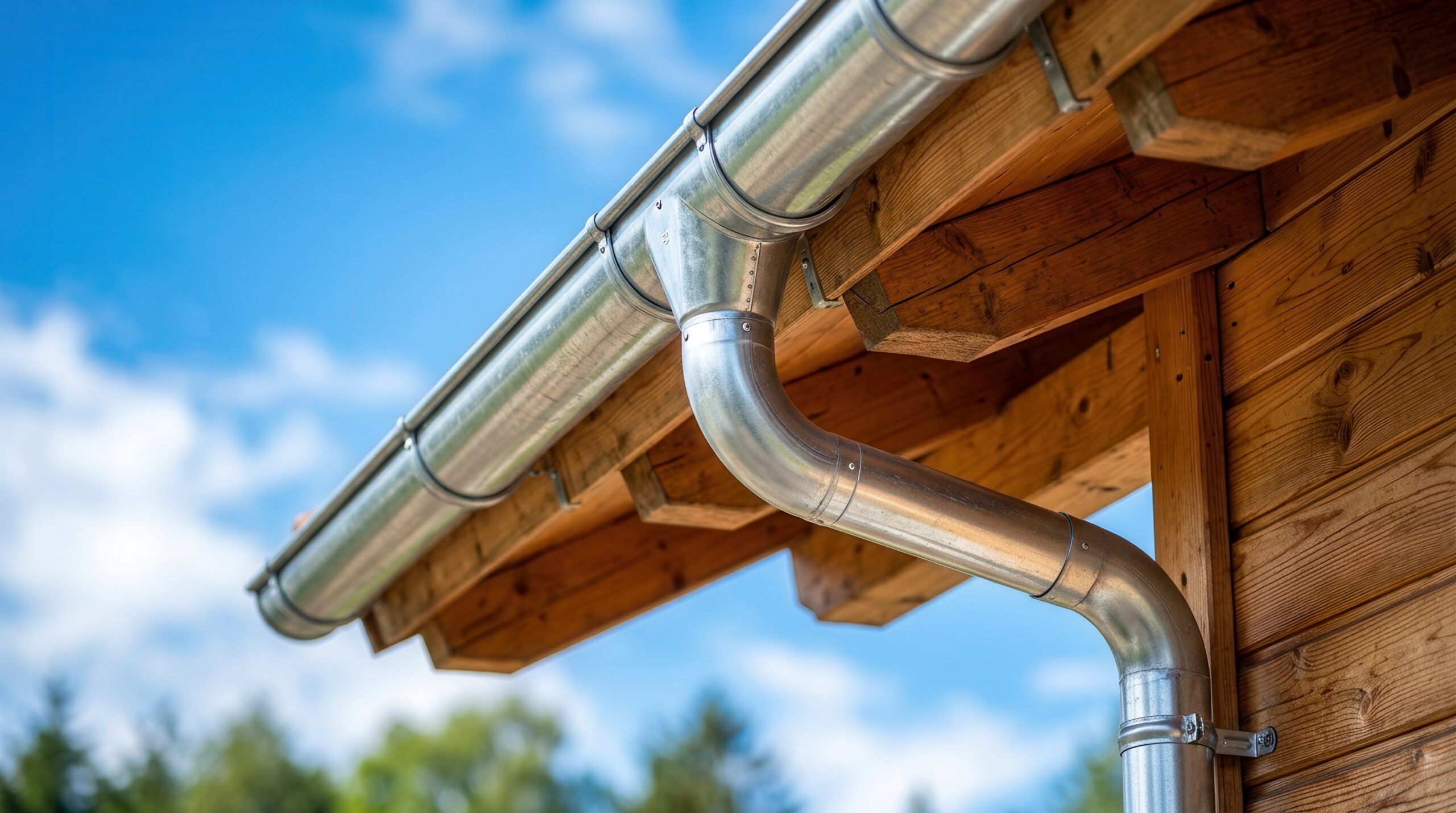
For commercial property owners and facility managers throughout the Northeast, winter weather can create ongoing operational and financial challenges that extend far beyond routine snow removal. Ice dams, frozen roof drains, blocked gutters, falling ice hazards, and emergency roof leaks often lead to costly repairs, tenant disruption, liability exposure, and long-term building deterioration when winter risks are managed reactively rather than proactively. Many facilities still rely heavily on emergency snow removal crews and temporary winter repairs after problems occur, only to face the same issues repeatedly every season. As winter weather patterns become increasingly unpredictable across the Northeast, more commercial property teams are evaluating the long-term value of commercial ice dam prevention systems and commercial roof snowmelt systems compared to reactive maintenance strategies. ThermaLine helps commercial facilities implement proactive commercial roof ice control solutions designed to reduce emergency repair costs, improve winter safety, and support long-term operational reliability. Understanding the differences between proactive commercial ice dam prevention systems and reactive winter maintenance can help facility managers make smarter infrastructure decisions while reducing overall winter risk exposure.
Reactive winter maintenance refers to addressing roof ice and snow problems only after they begin affecting building operations. This approach often includes emergency snow removal, temporary deicing efforts, leak repairs, drain clearing, and hazardous ice mitigation after severe weather events occur.
Common reactive winter maintenance services include:
While these services may temporarily reduce immediate risks, they often fail to address the underlying causes of recurring ice accumulation and drainage problems.
Commercial buildings commonly experience recurring winter issues such as:
The challenge with reactive maintenance is that emergency conditions usually occur during the worst weather events, when contractor demand is highest and response times are limited. By the time ice accumulation becomes visible, damage may already be developing beneath roofing materials or inside drainage systems.
According to the National Roofing Contractors Association (NRCA), uncontrolled water infiltration caused by winter drainage failures may significantly shorten roof system lifespan and increase long-term maintenance costs.
Reactive winter maintenance often creates several operational disadvantages:
Commercial facilities relying solely on emergency response often face unpredictable budgeting challenges because winter repair costs fluctuate significantly depending on weather severity and contractor availability.
Properties especially vulnerable to recurring winter maintenance issues include:
Because reactive maintenance addresses symptoms rather than long-term prevention, many commercial properties continue to experience the same ice dam and drainage problems year after year.
Commercial ice dam prevention systems are designed to proactively manage roof drainage and prevent dangerous ice accumulation before major winter problems develop. Rather than reacting to severe weather after damage occurs, these systems provide ongoing protection throughout the winter season.
Commercial roof snowmelt systems commonly protect:
Most commercial roof ice control systems use self-regulating heat trace cable technology that automatically adjusts heat output based on surrounding temperatures. These systems help maintain proper drainage flow during freeze-thaw cycles while minimizing unnecessary energy use.
Key benefits of proactive commercial ice dam prevention systems include:
Unlike temporary snow removal services, properly designed commercial roof snow melt systems operate continuously throughout the winter season to prevent conditions that commonly lead to ice dam formation and frozen drainage failures.
Self-regulating systems are especially effective in the Northeast because winter temperatures frequently fluctuate above and below freezing. These repeated freeze-thaw cycles create ideal conditions for dangerous ice accumulation if drainage systems are not protected proactively.
Commercial roof ice control systems may also integrate with:
This automation helps facility teams monitor winter system performance more efficiently while reducing reliance on emergency maintenance crews during severe storms.
ThermaLine works with Northeast commercial properties to design customized commercial ice dam prevention systems based on building layout, drainage infrastructure, snow exposure patterns, and operational priorities.
One of the biggest misconceptions about proactive roof deicing systems is that they are more expensive than reactive maintenance. While commercial roof snowmelt systems require upfront investment, many facility managers discover they reduce long-term winter operating costs substantially over time.
Reactive winter maintenance often creates recurring annual expenses such as:
These costs can accumulate quickly across multiple winter seasons, especially for larger commercial properties with recurring drainage problems.
Commercial ice dam prevention systems may help reduce:
Facilities with proactive commercial roof ice control systems often benefit from more predictable winter maintenance budgeting because preventative systems reduce the likelihood of major emergency events.
According to the U.S. Department of Energy, preventative building system strategies may improve long-term operational efficiency and reduce infrastructure deterioration caused by repeated freeze-thaw damage.
Long-term ROI benefits may include:
Commercial properties with critical operations such as hospitals, multifamily housing, schools, manufacturing facilities, and data centers often prioritize proactive systems because emergency winter failures may create significant operational consequences.
Facility managers should also consider the hidden costs associated with reactive winter maintenance, including:
When evaluated over multiple winter seasons, proactive commercial roof snowmelt systems frequently provide stronger long-term value than repeated reactive maintenance approaches.
Commercial property management increasingly focuses on long-term resilience and operational continuity rather than temporary seasonal repairs. Winter weather events can create serious safety and liability risks if roof drainage systems fail during freezing conditions.
Commercial roof ice control systems help reduce risks involving:
The Occupational Safety and Health Administration (OSHA) continues to identify winter weather hazards as major safety concerns for commercial facilities. Ice accumulation near entrances, loading docks, parking structures, and pedestrian walkways may increase liability exposure significantly.
Proactive commercial ice dam prevention systems support better risk management by helping facilities maintain:
Northeast commercial properties often face severe winter conditions involving:
Because these conditions repeatedly stress roof systems and drainage infrastructure, long-term prevention strategies are becoming increasingly important for facility planning.
ThermaLine helps Northeast commercial property owners implement commercial roof snow melt systems and ice dam prevention solutions designed to improve winter reliability, reduce emergency maintenance dependence, and support safer building operations throughout the cold season.
A commercial ice dam prevention system uses heat trace technology to maintain roof drainage and prevent dangerous ice accumulation during winter weather.
Proactive systems prevent ice buildup continuously, while reactive maintenance addresses problems only after leaks, drainage failures, or hazards occur.
Yes. Many facilities reduce emergency repairs, liability risks, and recurring winter maintenance expenses with proactive roof deicing systems.
Office buildings, multifamily properties, healthcare facilities, warehouses, retail centers, schools, and industrial facilities commonly benefit from proactive winter protection.
Emergency repairs often involve higher labor costs, limited contractor availability, tenant disruption, and additional water damage remediation expenses.
For additional information, visit ThermaLine’s frequently asked questions page.
If your Northeast commercial property is evaluating commercial ice dam prevention systems before winter weather arrives, contact ThermaLine to help compare proactive roof deicing solutions designed to improve safety, reduce emergency maintenance, and protect long-term building performance.