ThermaLine Ice Melt Systems
Our heated panels are designed to safely eliminate snow and ice buildup before it becomes a problem.



Our heated panels are designed to safely eliminate snow and ice buildup before it becomes a problem.


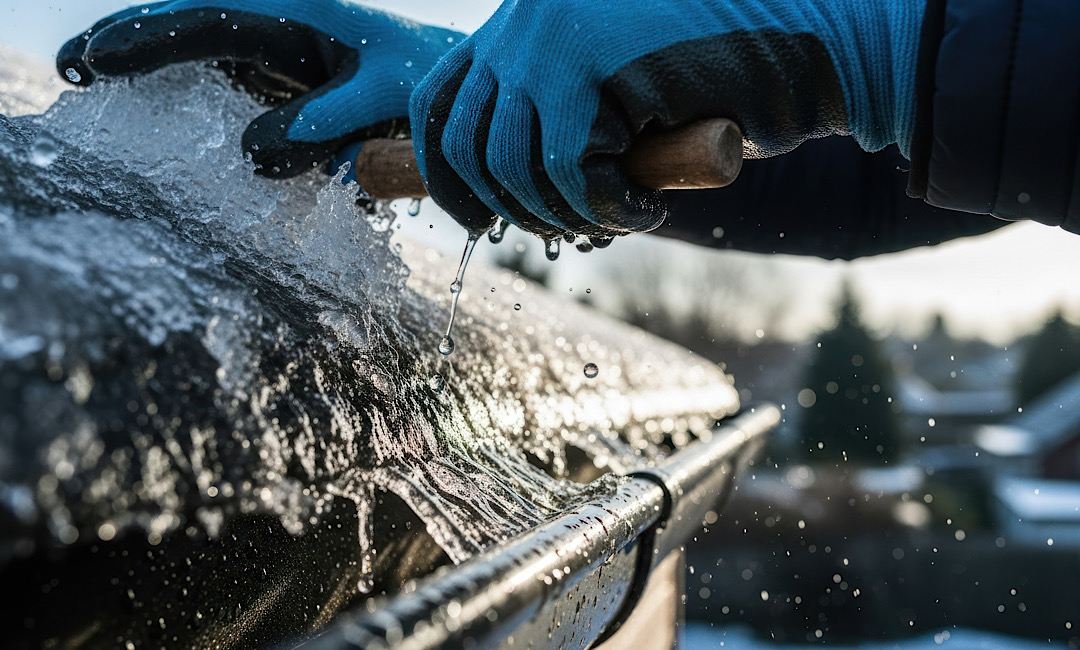
For commercial property owners and facility managers throughout the Northeast, recurring winter ice dams are often treated as seasonal maintenance frustrations rather than warning signs of larger building performance issues. However, repeated ice dams on commercial buildings rarely occur in isolation. In most cases, recurring commercial ice dams indicate underlying commercial roof drainage issues, thermal inefficiencies, or infrastructure deficiencies that continue worsening over time if left unresolved. While emergency snow removal and temporary deicing efforts may provide short-term relief, they often fail to address the root causes of chronic winter drainage failures. As Northeast winters continue producing severe freeze-thaw cycles, heavy snow accumulation, and unpredictable temperature swings, commercial facilities experiencing repeated ice dam problems face increasing risks involving roof leaks, structural deterioration, tenant disruption, and escalating maintenance costs. ThermaLine helps Northeast commercial properties identify recurring winter drainage problems before severe weather intensifies and creates costly operational emergencies. Understanding the warning signs behind repeated ice dams on commercial buildings can help facility teams implement proactive solutions focused on long-term drainage reliability, winter safety, and building protection.
Ice dams develop when melting snow refreezes near roof edges, drains, gutters, or colder sections of the roofing system, preventing proper drainage flow. While isolated ice accumulation may occasionally occur during severe winter weather, recurring commercial ice dams usually indicate persistent drainage or thermal management problems that are not being corrected.
Several common conditions contribute to repeated ice dams on commercial buildings:
Commercial properties are especially vulnerable because large roof areas generate significant volumes of snowmelt during freeze-thaw cycles. Flat and low-slope roofing systems commonly used on office buildings, warehouses, healthcare facilities, schools, and retail centers may allow water to pool more easily when drainage systems become obstructed by ice.
Recurring commercial ice dams often form in the same locations repeatedly because:
According to the National Roofing Contractors Association (NRCA), recurring winter drainage failures may accelerate roof system deterioration and increase long-term maintenance costs associated with moisture intrusion and freeze-thaw damage.
Commercial properties commonly affected by recurring ice dam problems include:
Facility managers should pay close attention when ice dams consistently appear near:
These recurring problem areas often reveal larger structural or drainage design deficiencies that temporary winter maintenance cannot fully resolve.
Repeated commercial ice dams frequently signal broader commercial roof drainage issues developing beneath the surface. In many cases, visible ice accumulation is only the most obvious symptom of larger building envelope and drainage system failures.
Common warning signs include:
Water stains near walls, ceilings, or windows may indicate that meltwater is backing up beneath roofing materials due to blocked drainage pathways.
Additional warning signs may include:
Commercial roof drainage issues often worsen gradually over multiple winters. A property that initially experiences occasional gutter freezing may eventually develop larger ice dams, roof leaks, and structural moisture problems if drainage flow continues deteriorating season after season.
Flat commercial roofs are particularly vulnerable because standing water may remain trapped longer after snowmelt events. Once temperatures refreeze overnight, this trapped water contributes to larger ice buildup and additional drainage obstruction.
According to the Federal Emergency Management Agency (FEMA), uncontrolled moisture intrusion during severe weather events may significantly increase long-term building repair and remediation costs.
Facility managers should also monitor for:
Recurring winter drainage failures often indicate the need for more comprehensive evaluations involving roof insulation performance, drainage design, and freeze protection infrastructure.
Repeated commercial ice dams not only damage roofing systems but also create serious operational and liability risks for commercial properties. As drainage systems freeze and overflow, dangerous ice accumulation may develop around entrances, sidewalks, loading docks, and parking areas.
Recurring commercial ice dams may contribute to:
The Occupational Safety and Health Administration (OSHA) continues identifying winter slip-and-fall hazards as major safety concerns for commercial facilities during snow and ice events.
Large commercial icicles forming near roof edges can become extremely dangerous for pedestrians below, particularly around:
Emergency winter repairs also become increasingly expensive over time. Commercial properties experiencing recurring drainage problems often spend substantial amounts annually on:
These recurring costs may continue escalating if the underlying drainage deficiencies remain unresolved.
Commercial tenants may also experience operational disruptions involving:
For properties managing multiple tenants or critical operations, recurring winter drainage failures may significantly impact both tenant satisfaction and long-term facility management budgets.
Facility managers should evaluate whether repeated winter maintenance calls indicate larger infrastructure problems requiring proactive investment rather than continued reactive repairs.
One of the biggest mistakes commercial property owners make is treating recurring ice dams as unavoidable seasonal problems rather than warning signs of broader drainage system deficiencies. Temporary winter maintenance may reduce immediate hazards, but long-term protection usually requires proactive drainage management and freeze prevention strategies.
Effective commercial ice dam prevention solutions may include:
Modern commercial roof deicing systems commonly use self-regulating heat cable technology designed to maintain drainage flow during freezing conditions.
Benefits of proactive drainage protection include:
Automated systems may also integrate with:
According to the U.S. Department of Energy, proactive infrastructure planning may improve long-term building resilience and reduce weather-related operational disruptions.
Summer and early fall are typically the best times for facility managers to evaluate recurring commercial roof drainage issues before winter contractor demand intensifies.
ThermaLine works with Northeast commercial property teams to identify recurring commercial ice dam risks and develop proactive drainage protection solutions designed to improve winter reliability, reduce maintenance exposure, and protect long-term building performance.
Recurring ice dams often indicate larger drainage, insulation, or roof thermal management problems that prevent proper winter water flow.
Yes. Repeated ice dams may signal developing roof drainage issues, moisture intrusion, insulation damage, or freeze-thaw deterioration.
Office buildings, multifamily properties, warehouses, healthcare facilities, schools, and retail centers commonly experience winter drainage problems.
Ice dams may create falling icicles, slippery walkways, drainage overflows, and unsafe pedestrian conditions around commercial properties.
Commercial roof deicing systems, heated drainage systems, improved insulation, and proactive winter maintenance planning help reduce recurring ice dam problems.
If your Northeast commercial property experiences repeated ice dams or recurring winter drainage failures, ThermaLine can help identify underlying drainage issues and develop proactive solutions focused on long-term winter protection and operational reliability.