ThermaLine Ice Melt Systems
Our heated panels are designed to safely eliminate snow and ice buildup before it becomes a problem.



Our heated panels are designed to safely eliminate snow and ice buildup before it becomes a problem.


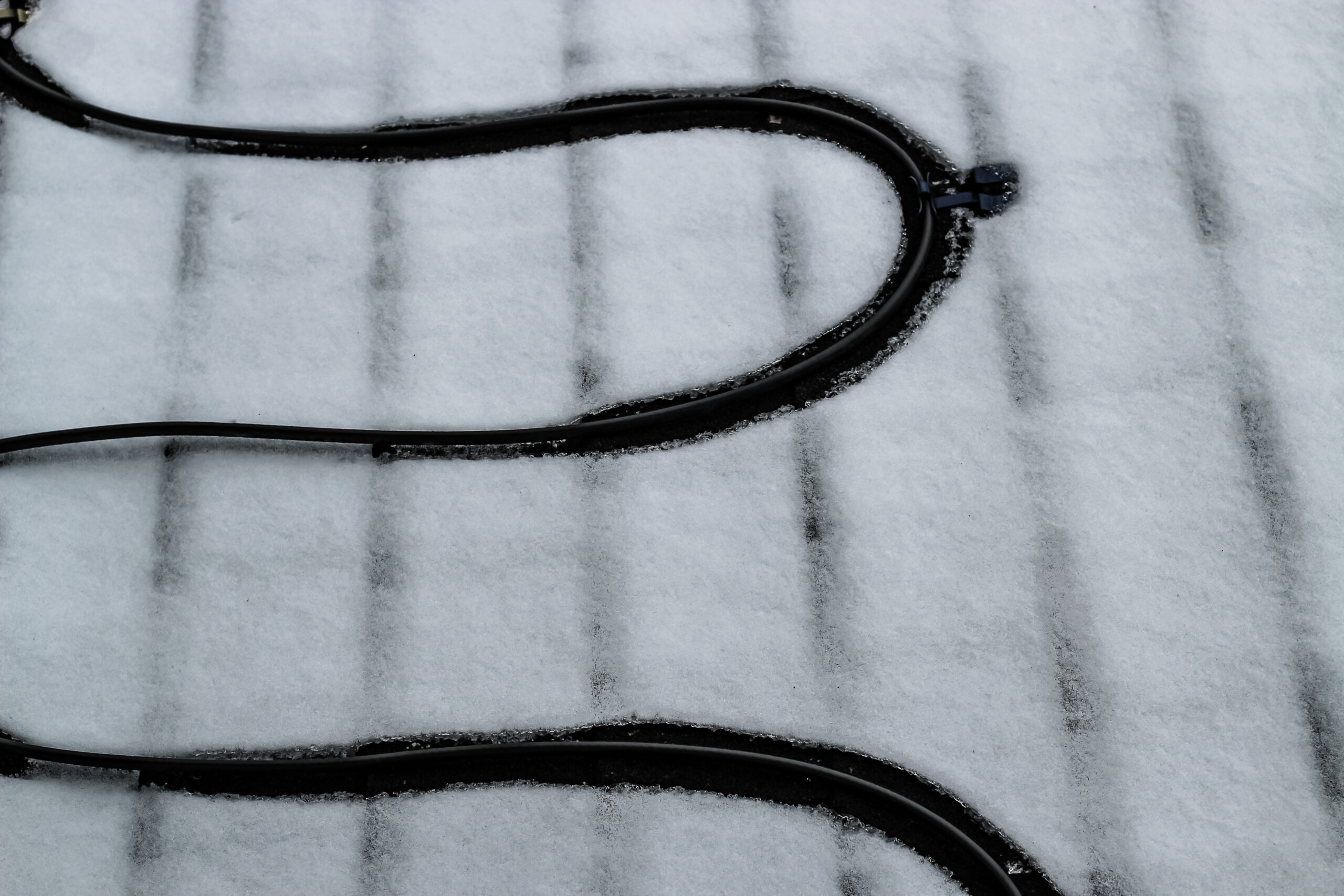
For commercial property owners and facility managers across the Northeast, winter preparation is no longer something that can wait until the first major snowstorm arrives. Ice dams, frozen roof drains, blocked gutters, falling ice hazards, and emergency roof leaks can create major operational disruptions during severe winter weather. Once temperatures drop consistently below freezing, commercial roofing contractors and deicing specialists often experience overwhelming demand, making emergency installations difficult, expensive, and time-sensitive. That is why proactive facility teams increasingly begin planning commercial roof heating systems during the summer and early fall months rather than waiting until winter emergencies occur. Understanding when to install commercial roof heat cable systems is critical for protecting buildings, maintaining safe operations, and reducing long-term winter maintenance costs. ThermaLine works with Northeast commercial property teams to help plan and install commercial roof heat cable systems before peak winter contractor demand begins. Whether managing office buildings, multifamily housing, warehouses, healthcare facilities, schools, or industrial properties, early roof heat cable installation planning can significantly improve project flexibility, system performance, and long-term winter reliability.
Many commercial property owners underestimate how quickly winter weather preparation schedules tighten once cold temperatures begin approaching. As soon as the first freezing conditions arrive, contractors often shift from proactive installations to emergency repair work and reactive deicing service calls.
Waiting until late fall or winter may create several operational challenges:
Commercial roof heating systems require careful planning and coordination. These projects often involve electrical infrastructure evaluation, roof inspections, drainage assessments, and custom system design work tailored to the building’s layout and operational needs.
Northeast commercial properties commonly face winter problems involving:
Once snow and ice begin accumulating regularly, safe roof access becomes more difficult for installation crews. Severe weather may also delay material deliveries and limit installation windows, especially on large commercial facilities with complex roofing systems.
According to the National Roofing Contractors Association (NRCA), preventative roof maintenance and winter preparation are most effective when performed before freezing weather conditions develop. Early planning gives facility teams time to identify vulnerable drainage areas and address structural concerns before winter stress impacts the building envelope.
Commercial buildings that commonly benefit from early roof heat cable installation include:
Because every building has unique roof geometry and drainage patterns, proactive planning allows more time to engineer a customized commercial roof heating system that supports long-term winter protection.
Summer and early fall are generally considered the ideal times for commercial roof heat cable installation projects because weather conditions, contractor availability, and roof accessibility are significantly more favorable.
Several advantages make early installation planning beneficial:
Dry weather conditions allow contractors to inspect roofing systems thoroughly and identify areas where ice accumulation historically develops. Facility managers can evaluate roof drains, gutters, scuppers, roof edges, and downspouts before snow or freezing temperatures complicate the inspection process.
Commercial roof heat cable systems are often installed in areas such as:
Summer and early fall installations also allow time for electrical upgrades if additional power capacity or control systems are needed. Some commercial roof heating systems integrate with:
Early planning reduces the likelihood of rushed installations that may overlook important design considerations or operational requirements.
According to the U.S. Department of Energy, preventative building maintenance strategies can improve long-term operational efficiency and reduce costly emergency repairs associated with severe weather events.
Commercial property teams that wait until winter often encounter:
By beginning planning during warmer months, facility managers can budget more effectively and prioritize winter infrastructure improvements before seasonal contractor demand increases.
Installing commercial roof heating systems before winter not only improves scheduling flexibility but also supports better long-term system performance and reliability. Proper installation conditions are critical for ensuring heat cable systems function correctly throughout harsh winter conditions.
Commercial roof heat cable systems depend on:
Cold-weather emergency installations sometimes limit the ability to complete detailed testing or fully evaluate drainage performance before severe winter conditions arrive.
Early installation allows contractors to:
This planning process becomes especially important for large commercial buildings with:
Commercial roof heating systems designed proactively often perform more efficiently because the system layout can be engineered strategically around known problem areas rather than installed reactively after ice buildup occurs.
Properly designed commercial roof heat cable systems help reduce:
Facilities such as hospitals, multifamily housing, schools, and data centers frequently prioritize proactive winter infrastructure planning because operational interruptions during severe weather can create major liability and safety concerns.
ThermaLine works with Northeast facility managers to evaluate roof conditions and develop customized roof heat cable installation plans focused on long-term winter performance, operational reliability, and drainage protection.
For commercial property teams managing multiple buildings or large facilities, proactive roof heat cable installation planning also improves broader operational and capital planning strategies.
Early planning helps facility managers:
Commercial properties experiencing repeated winter drainage issues may also benefit from combining roof heat cable systems with other preventative infrastructure improvements such as:
Because Northeast winters often involve repeated freeze-thaw cycles, severe snowstorms, and rapidly changing temperatures, long-term winter preparedness has become increasingly important for facility management teams.
Properties with recurring ice accumulation near:
The Occupational Safety and Health Administration (OSHA) continues to identify snow and ice hazards as major concerns for commercial property operations during winter weather events. Proactive commercial roof heating systems help reduce uncontrolled ice buildup while supporting safer pedestrian conditions around commercial facilities.
By beginning roof heat cable installation projects during summer or early fall, facility teams gain more control over project scheduling, system design, budgeting, and operational planning before winter weather creates urgent maintenance pressures.
ThermaLine helps Northeast commercial properties implement commercial roof heating systems designed to improve winter safety, protect drainage infrastructure, and support long-term building performance before severe weather conditions arrive.
Summer and early fall are typically the best times because weather conditions, contractor availability, and roof access are more favorable.
Winter installations may involve contractor delays, emergency pricing, difficult roof access, and increased risk of weather-related damage before installation is completed.
These systems commonly protect roof drains, gutters, downspouts, roof edges, valleys, entrances, and loading areas from ice buildup.
Some systems may require electrical evaluations or upgrades depending on building size, system design, and control integration requirements.
Office buildings, healthcare facilities, warehouses, multifamily housing, schools, retail centers, and industrial facilities commonly benefit from proactive winter protection.
For additional information, visit ThermaLine’s frequently asked questions page.
If your Northeast commercial property is planning winter infrastructure improvements, contact ThermaLine to help evaluate the best timing for commercial roof heat cable installation and develop a customized system designed for long-term winter performance and building protection.