ThermaLine Ice Melt Systems
Our heated panels are designed to safely eliminate snow and ice buildup before it becomes a problem.



Our heated panels are designed to safely eliminate snow and ice buildup before it becomes a problem.


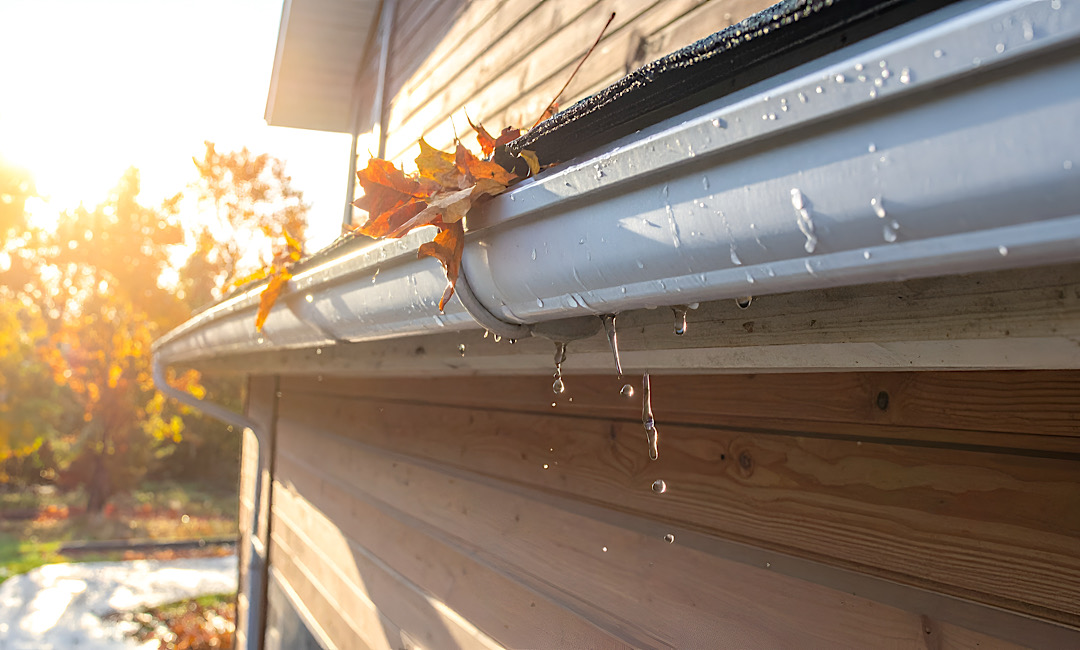
For commercial property owners and facility managers across the Northeast, frozen roof drainage systems can quickly escalate from minor winter inconveniences into major operational emergencies. Commercial roof drainage freeze problems commonly lead to roof leaks, structural moisture damage, dangerous ice buildup, blocked drains, tenant disruption, and expensive emergency repairs during severe winter weather. Large commercial buildings are especially vulnerable because flat and low-slope roof systems generate significant runoff during snowmelt events while relying heavily on properly functioning drainage infrastructure to prevent standing water accumulation. Once roof drains, gutters, scuppers, or downspouts freeze, water may back up across the roof surface and penetrate vulnerable areas of the building envelope. As winter weather patterns become increasingly unpredictable throughout the Northeast, more facility teams are investing in proactive drainage freeze protection before peak winter conditions arrive. ThermaLine helps commercial properties solve frozen commercial roof drains and recurring winter drainage failures through customized commercial roof drainage systems designed to maintain water flow and improve long-term operational reliability. Understanding the warning signs and causes of commercial roof drainage freeze problems can help facility managers reduce emergency maintenance risks before winter conditions intensify.
Commercial roof drainage systems are designed to move water safely away from roofing surfaces during rain and snowmelt events. However, during freezing weather, drainage infrastructure often becomes vulnerable to ice accumulation that interrupts water flow and creates dangerous roof conditions.
Several factors contribute to frozen commercial roof drains:
Commercial buildings commonly experience daytime snowmelt followed by overnight temperature drops that refreeze water inside roof drains, scuppers, gutters, and downspouts. Over time, these repeated cycles gradually create ice blockages that prevent proper drainage.
Flat and low-slope commercial roofs are particularly vulnerable because water may remain trapped longer on the roof surface once drainage pathways freeze.
Commercial roof drainage freeze problems often develop near:
According to the National Roofing Contractors Association (NRCA), poor roof drainage management during winter may significantly increase the risk of roof deterioration, water infiltration, and long-term structural damage.
Commercial properties most commonly affected include:
As frozen drainage systems block water movement, additional snowmelt may pool across the roof surface and increase structural stress during severe winter weather.
Repeated commercial roof drainage freeze problems may also signal larger issues involving:
Without proactive freeze protection, these conditions often worsen throughout the season as additional snow and ice continue accumulating during repeated storms.
Recurring ice dams are often a symptom of a deeper drainage problem, not just a surface issue.
Frozen commercial roof drains create far more than temporary drainage inconvenience. Once roof drainage systems stop functioning properly, commercial buildings may experience serious operational, structural, and safety risks.
Common problems caused by frozen commercial roof drains include:
Water trapped on commercial roofs may eventually back beneath roofing seams, flashing systems, or expansion joints, leading to interior leaks and moisture intrusion.
Additional risks may include:
According to the Federal Emergency Management Agency (FEMA), uncontrolled moisture intrusion during severe weather events may significantly increase long-term building repair and remediation costs.
Commercial roof drainage failures may also create dangerous safety hazards around the property. Overflowing drainage systems commonly contribute to:
The Occupational Safety and Health Administration (OSHA) continues to identify winter slip-and-fall accidents as major safety concerns for commercial facilities during snow and ice events.
Facilities managing high occupant traffic often face elevated liability exposure when drainage failures create uncontrolled ice accumulation near:
Commercial properties relying heavily on reactive winter maintenance frequently encounter rising emergency repair costs because contractor demand increases sharply during severe storms.
Repeated frozen commercial roof drains may also reduce long-term roof system lifespan by exposing roofing materials to repeated freeze-thaw stress and standing water conditions throughout the winter season.
One of the most effective ways to solve commercial roof drainage freeze problems is through proactive roof deicing and drainage heat tracing systems designed to maintain water flow during freezing conditions.
Commercial roof drainage systems commonly use:
These systems are engineered to prevent ice accumulation around vulnerable drainage pathways before major blockages develop.
Commercial roof deicing systems commonly protect:
Modern self-regulating heat cable systems automatically adjust heat output based on surrounding environmental conditions. This allows systems to provide freeze protection only when necessary, improving energy efficiency while maintaining reliable winter drainage performance.
Benefits of proactive drainage freeze protection include:
Automated systems may also integrate with:
According to the U.S. Department of Energy, automated building infrastructure systems may improve operational efficiency while reducing weather-related building performance risks.
Commercial facilities with recurring winter drainage failures often benefit from customized deicing system design based on:
ThermaLine works with Northeast commercial properties to design proactive commercial roof drainage systems focused on long-term freeze protection, operational reliability, and winter risk reduction.
Many facility managers wait until severe winter weather arrives before addressing frozen roof drainage problems. Unfortunately, by the time emergency conditions develop, contractor availability often becomes limited and repair costs increase substantially.
Proactive planning before peak winter conditions allows facility teams to:
Summer and early fall are often ideal times for evaluating commercial roof drainage systems because roof inspections and infrastructure upgrades can be completed before severe weather creates operational complications.
Commercial properties experiencing recurring winter drainage problems should evaluate:
Facilities such as hospitals, multifamily housing, schools, warehouses, and office buildings often prioritize proactive winter infrastructure planning because operational disruptions during severe weather may create significant safety and liability concerns.
By addressing commercial roof drainage freeze problems proactively, facility managers can often reduce:
ThermaLine helps Northeast commercial property owners implement drainage freeze protection systems designed to maintain reliable roof drainage performance and reduce costly winter building disruptions before severe weather conditions intensify.
Freeze-thaw cycles, snow accumulation, standing water, and inadequate drainage protection commonly cause frozen commercial roof drains.
Frozen drains may cause roof leaks, standing water, ice dams, structural stress, falling icicles, and slip-and-fall hazards around commercial properties.
Commercial roof deicing systems use heat cable technology and automated controls to maintain drainage flow during freezing weather.
Office buildings, warehouses, healthcare facilities, schools, multifamily housing, and retail properties commonly experience winter drainage challenges.
Summer and early fall are typically the best times to evaluate and improve commercial roof drainage systems before peak winter conditions arrive.
If your Northeast commercial property is experiencing frozen commercial roof drains or recurring winter drainage failures, ThermaLine can help develop proactive drainage protection solutions designed to improve winter reliability, reduce emergency maintenance costs, and protect long-term building performance.