ThermaLine Ice Melt Systems
Our heated panels are designed to safely eliminate snow and ice buildup before it becomes a problem.



Our heated panels are designed to safely eliminate snow and ice buildup before it becomes a problem.


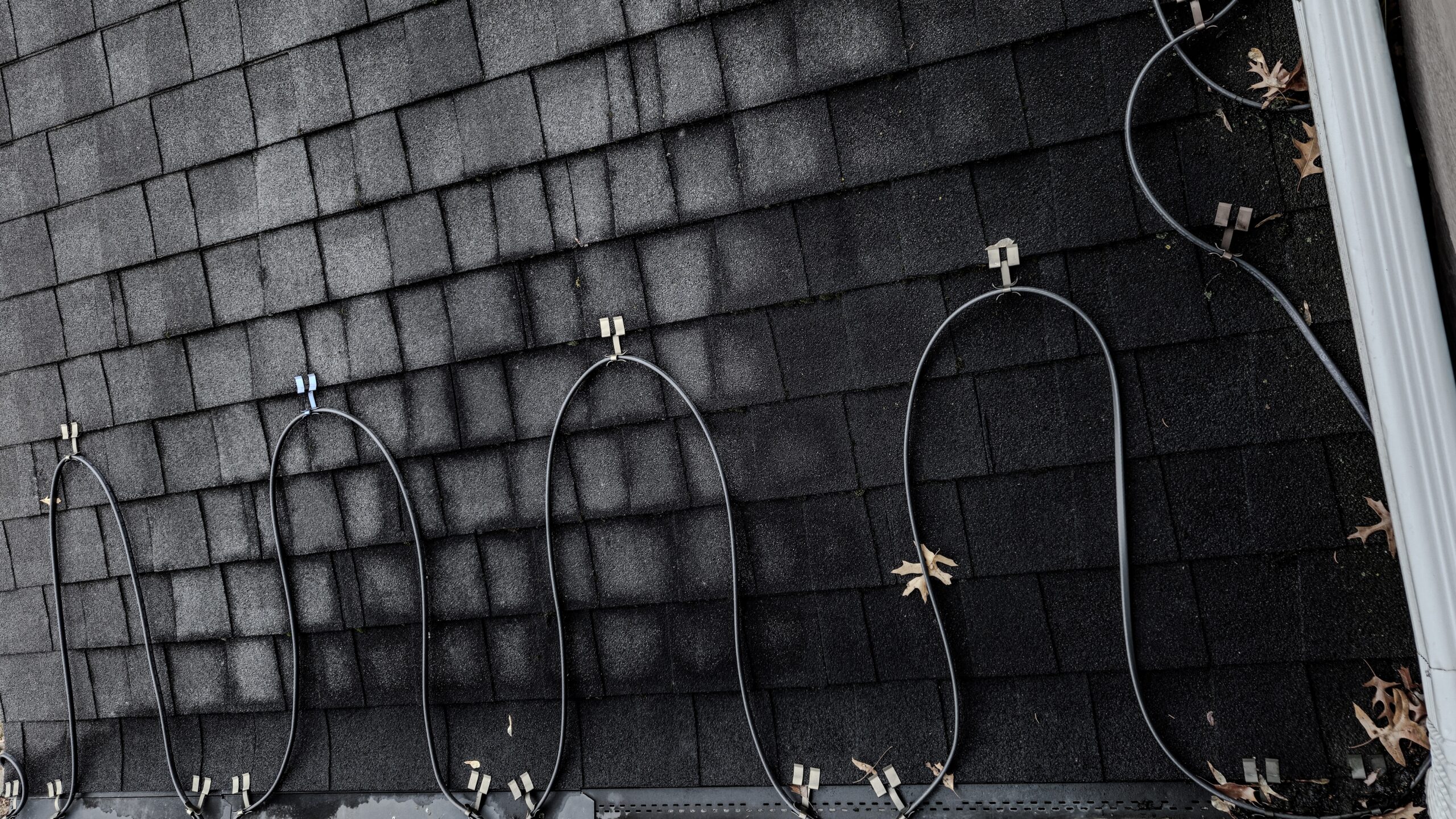
For commercial property owners and facility managers throughout the Northeast, winter drainage problems can create far more than seasonal inconveniences. Frozen gutters, blocked downspouts, overflowing roof drainage, falling icicles, and uncontrolled ice buildup often lead to roof leaks, structural damage, pedestrian hazards, and costly emergency maintenance during severe winter weather. Commercial buildings face especially high winter drainage demands because of larger roof systems, complex drainage layouts, and higher occupancy requirements compared to residential properties. As a result, many facility teams are investing in commercial heated gutter systems and commercial gutter deicing systems as part of broader winter infrastructure planning strategies. Heated commercial gutters help maintain drainage flow during freezing temperatures while reducing ice accumulation that commonly leads to operational disruptions and liability risks. ThermaLine works with Northeast commercial properties to design proactive heated gutter solutions focused on winter drainage protection, building safety, and long-term operational reliability. Whether managing office buildings, healthcare facilities, multifamily properties, warehouses, retail centers, schools, or industrial campuses, understanding how commercial heated gutter systems improve winter drainage performance can help facility managers reduce maintenance risks before severe weather arrives.
Commercial gutter systems are designed to move water safely away from roofs and building envelopes. However, during Northeast winters, gutters and downspouts often become vulnerable to freezing conditions that interrupt drainage flow and allow dangerous ice accumulation to develop.
Several factors contribute to commercial gutter freeze-ups:
As snow melts during daytime warming periods, water flows toward colder roof edges and gutter systems. Overnight temperature drops then refreeze this water inside gutters and downspouts, gradually creating blockages that prevent proper drainage.
Once gutters freeze, additional snowmelt may overflow and create:
Commercial buildings are especially vulnerable because larger roof areas generate significantly more runoff during snowmelt events. Flat and low-slope roof systems commonly found on warehouses, office complexes, healthcare facilities, and retail centers may experience even greater drainage stress during prolonged winter storms.
According to the National Roofing Contractors Association (NRCA), poor winter drainage management can contribute to long-term roofing system deterioration and increase maintenance costs associated with moisture intrusion and freeze-thaw damage.
Commercial gutter freeze-ups commonly affect:
When gutters and downspouts stop functioning properly, water may back up beneath roofing materials or overflow into pedestrian areas below. This increases both property damage risks and winter liability exposure.
Because Northeast winters often involve frequent temperature swings, gutter systems may repeatedly freeze and thaw throughout the season, accelerating wear on drainage infrastructure over time.
Commercial heated gutter systems are designed to maintain water flow through gutters and downspouts during freezing conditions. These systems typically use self-regulating heat cable technology installed strategically within drainage pathways to prevent ice accumulation and frozen blockages.
Commercial gutter deicing systems commonly protect:
Modern heated commercial gutters often use self-regulating heat cables that automatically adjust heat output based on surrounding environmental conditions. This allows the system to respond dynamically during changing winter weather rather than operating continuously at fixed output levels.
Key advantages of heated gutter systems include:
Commercial gutter deicing systems may also integrate with:
Automated controls help activate the system only when freezing temperatures and moisture are both present, improving operational efficiency while reducing unnecessary energy consumption.
According to the U.S. Department of Energy, automated building systems that respond dynamically to environmental conditions may improve long-term operational efficiency and reduce unnecessary energy usage.
Proper commercial heated gutter system design requires evaluating:
ThermaLine works with Northeast commercial property teams to design heated gutter systems tailored to each building’s drainage layout, climate exposure, and operational requirements.
One of the biggest winter hazards associated with frozen commercial gutters is uncontrolled icicle formation. Large icicles may appear near entrances, walkways, loading docks, and parking areas where falling ice creates serious safety risks for tenants, employees, and visitors.
Frozen commercial gutters may contribute to:
The Occupational Safety and Health Administration (OSHA) continues to identify winter slip-and-fall hazards as a major safety concern for commercial facilities during snow and ice events.
Commercial heated gutter systems help reduce liability exposure by improving drainage control and minimizing uncontrolled refreezing around high-traffic pedestrian areas.
Facilities that commonly prioritize gutter deicing systems include:
These buildings often experience heavy pedestrian traffic during winter storms, increasing the importance of maintaining safe exterior conditions.
Properly functioning heated commercial gutters also reduce stress on roofing systems by helping prevent standing water accumulation and ice dam formation near roof edges. Without adequate drainage protection, repeated freeze-thaw cycles may gradually damage:
Commercial roof drainage failures may also lead to expensive emergency maintenance during severe weather events when contractor availability becomes limited and repair costs increase substantially.
By proactively maintaining drainage flow throughout the winter season, commercial gutter deicing systems help support safer, more reliable winter operations across large commercial properties.
Many facility managers initially view heated gutter systems as seasonal winter upgrades. However, these systems often provide significant long-term operational and maintenance advantages when integrated into broader facility management strategies.
Commercial heated gutter systems may help reduce:
Preventative winter drainage protection also improves long-term building resilience by reducing repeated moisture intrusion and freeze-thaw stress on roofing systems and exterior building components.
Commercial properties experiencing recurring winter drainage problems often spend substantial amounts annually on:
Proactive heated commercial gutters may provide more predictable winter maintenance costs while improving operational continuity during severe storms.
Modern commercial gutter deicing systems are also designed for improved durability and energy efficiency compared to older fixed-output heat tape products. Self-regulating systems automatically reduce heat output during milder conditions, helping improve overall winter operating efficiency.
Facility managers should evaluate heated gutter systems as part of broader winter infrastructure planning involving:
ThermaLine helps Northeast commercial facilities implement heated gutter systems designed to improve drainage reliability, reduce winter maintenance risks, and protect building performance throughout harsh winter conditions.
A commercial heated gutter system uses heat cable technology to prevent ice buildup and maintain water flow through gutters and downspouts during winter.
Snowmelt refreezes inside gutters and downspouts during freezing temperatures, gradually creating ice blockages that prevent proper drainage.
By maintaining drainage flow, heated gutters help prevent water from backing up and freezing near roof edges, where ice dams commonly form.
Modern self-regulating systems automatically adjust heat output based on environmental conditions to improve winter energy efficiency.
Office buildings, multifamily properties, healthcare facilities, schools, retail centers, warehouses, and industrial facilities commonly benefit from proactive winter drainage protection.
If your Northeast commercial property is evaluating commercial heated gutter systems before winter weather arrives, ThermaLine can help design customized gutter deicing solutions focused on drainage protection, operational reliability, and long-term winter performance.