ThermaLine Ice Melt Systems
Our heated panels are designed to safely eliminate snow and ice buildup before it becomes a problem.



Our heated panels are designed to safely eliminate snow and ice buildup before it becomes a problem.


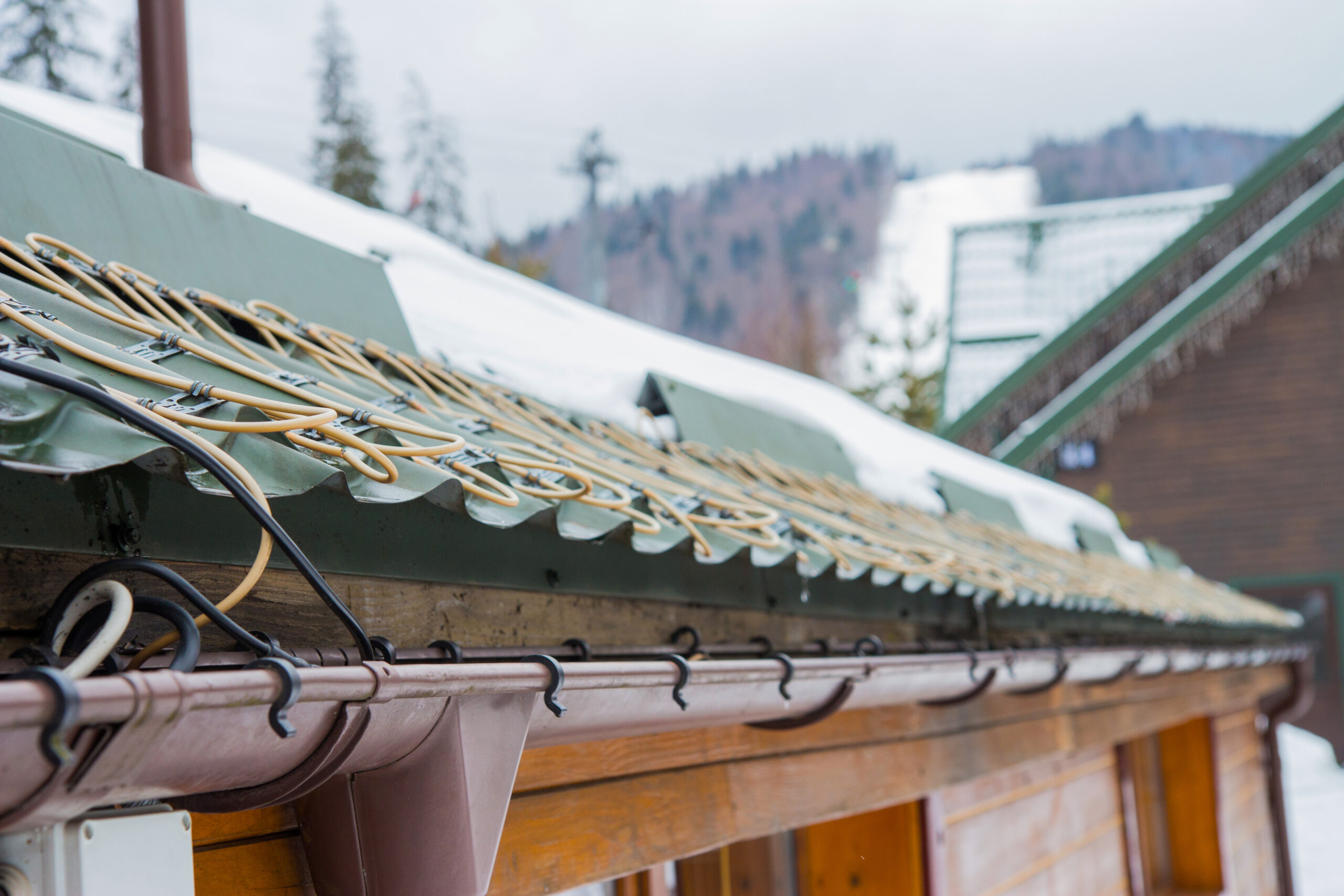
Commercial property owners and facility managers across the Northeast face increasing pressure to protect buildings from winter-related roof damage, ice dams, frozen drainage systems, and dangerous ice accumulation. As severe winter weather and repeated freeze-thaw cycles continue affecting commercial facilities throughout the region, many property teams are reevaluating older winter protection methods in favor of more advanced commercial roof deicing systems. One of the most common questions facility managers ask during winter infrastructure planning is whether traditional roof heat tape still provides sufficient protection for large commercial buildings or whether modern commercial roof deicing systems deliver better long-term performance. While heat tape has historically been used in some applications, modern commercial roof deicing panels and self-regulating deicing systems now offer substantial advantages in reliability, safety, energy efficiency, and operational performance. ThermaLine helps Northeast commercial properties evaluate commercial roof heat tape alternatives designed to improve winter drainage protection while reducing maintenance risks and long-term operating costs. Understanding the differences between traditional heat tape and engineered commercial roof deicing systems can help facility teams make more informed decisions before winter weather creates costly operational disruptions.
Traditional roof heat tape is a basic electric heating product designed to provide localized freeze protection along gutters, roof edges, and drainage areas. These systems have historically been used in residential and light commercial applications to reduce ice buildup during winter weather.
Traditional heat tape systems typically feature:
While heat tape may provide temporary ice prevention in certain situations, many commercial facilities experience limitations when using older heat tape technology on large or complex roofing systems.
Common problems associated with traditional roof heat tape include:
Many older heat tape systems operate continuously once activated, regardless of changing weather conditions. This constant operation may increase electrical usage substantially during long winter seasons, especially on large commercial properties with extensive roof drainage systems.
Traditional heat tape systems are often installed along:
However, large commercial facilities commonly require more advanced protection because of:
According to the National Roofing Contractors Association (NRCA), commercial roofing systems require carefully engineered drainage protection strategies to reduce long-term water intrusion and freeze-thaw damage risks.
Traditional exposed heat tape systems may also become more vulnerable to:
As commercial facilities increasingly prioritize long-term reliability and operational efficiency, many property owners now evaluate more advanced commercial roof heat tape alternatives designed specifically for large-scale winter protection.
Modern commercial roof deicing systems are engineered specifically for large commercial facilities and demanding winter operating conditions. Unlike basic heat tape products, these systems are designed to provide controlled, energy-efficient drainage protection across complex roof structures and drainage networks.
Commercial roof deicing systems commonly protect:
Most modern systems rely on self-regulating heat cable technology that automatically adjusts heat output based on surrounding environmental conditions. This allows the system to provide targeted freeze protection without consuming unnecessary energy during milder weather.
Key advantages of commercial roof deicing systems include:
Modern systems may also integrate with:
These smart controls help activate the system only when freezing temperatures and moisture are both present, improving operational efficiency while reducing unnecessary runtime.
Commercial roof deicing panels and engineered heating systems are often designed specifically around:
According to ASHRAE building system guidelines, automated environmental control systems may significantly improve building energy efficiency and operational performance during severe weather conditions.
Large commercial facilities such as hospitals, warehouses, office complexes, multifamily housing, schools, and industrial properties often require engineered roof deicing systems because winter drainage failures may create serious operational and safety risks.
When comparing commercial roof deicing systems vs traditional heat tape, several important performance differences become clear. While both approaches attempt to reduce ice accumulation, modern engineered systems generally provide greater reliability and long-term operational value for commercial facilities.
Commercial roof deicing systems typically outperform traditional heat tape in areas such as:
Traditional heat tape systems often struggle during severe Northeast winter conditions involving:
Because older heat tape products usually provide fixed heat output, they may either underperform during extreme cold or consume excessive electricity during milder conditions.
Modern self-regulating commercial roof deicing systems adjust dynamically to environmental conditions, helping maintain reliable drainage protection while improving energy efficiency.
Performance advantages of modern systems often include:
Traditional exposed heat tape may also become damaged more easily during routine roof maintenance or snow removal operations. Over time, aging heat tape systems may experience insulation breakdown, exposed wiring risks, or inconsistent heating output.
Commercial roof deicing panels and engineered cable systems are generally designed for:
Facility managers evaluating long-term winter infrastructure performance often prioritize engineered deicing systems because reactive winter maintenance and emergency roof repairs can become extremely expensive over time.
According to the U.S. Department of Energy, automated and energy-responsive building systems may improve operational efficiency while reducing long-term infrastructure stress caused by severe weather conditions.
Facilities teams comparing options should also review what a commercial roof deicing system costs for large facilities.
For most large commercial buildings, engineered roof deicing systems typically provide stronger long-term performance than traditional heat tape solutions. Large facilities require more reliable drainage protection because operational disruptions, tenant impacts, and winter liability risks may become significant during severe weather events.
Commercial properties that commonly benefit from modern deicing systems include:
These facilities often require:
Commercial roof heat tape alternatives are especially valuable for facilities with:
Facility managers should also evaluate long-term lifecycle costs rather than focusing solely on upfront installation pricing. While traditional heat tape may involve lower initial costs in some situations, recurring maintenance, higher energy use, and reduced durability often increase operational expenses over time.
Modern commercial roof deicing systems may help reduce:
ThermaLine works with Northeast commercial property owners and facility teams to evaluate roof deicing systems vs heat tape commercial solutions based on building size, roof design, drainage conditions, and long-term winter performance goals.
For facilities seeking reliable winter protection, engineered commercial roof deicing systems often provide stronger operational value, improved energy efficiency, and greater long-term building protection than traditional exposed heat tape systems.
Traditional heat tape typically uses fixed-output heating, while commercial roof deicing systems use engineered self-regulating technology with automated controls and improved efficiency.
Yes. Modern self-regulating systems with smart controls generally reduce unnecessary runtime and improve winter energy efficiency.
Large facilities often have complex drainage systems, flat roofs, and higher occupancy demands that require more reliable winter protection.
Yes. Older heat tape systems may struggle during prolonged freezing conditions, heavy snow accumulation, or repeated freeze-thaw cycles.
Healthcare facilities, office buildings, multifamily properties, warehouses, schools, and retail centers commonly benefit from engineered winter drainage protection systems.
If your Northeast commercial property is evaluating commercial roof heat tape alternatives before winter weather arrives, ThermaLine can help you compare modern roof deicing system options designed for long-term operational reliability, energy efficiency, and winter safety.