ThermaLine Ice Melt Systems
Our heated panels are designed to safely eliminate snow and ice buildup before it becomes a problem.



Our heated panels are designed to safely eliminate snow and ice buildup before it becomes a problem.


For commercial property owners and facility managers across the Northeast, winter weather creates far more than seasonal maintenance concerns. Commercial roof ice dams can lead to serious structural damage, dangerous safety hazards, tenant disruption, operational downtime, and escalating repair costs when drainage systems fail during freezing conditions. While many building owners initially view ice dams as temporary winter nuisances, recurring ice accumulation often signals larger roof drainage and thermal management problems that can worsen over time if left unresolved. Commercial buildings are especially vulnerable because of larger roof systems, more complex drainage infrastructure, higher occupancy levels, and greater liability exposure compared to residential properties. ThermaLine helps Northeast commercial facilities implement proactive solutions designed to reduce commercial ice dam roof damage and improve winter drainage reliability before severe weather creates costly emergencies. Understanding how commercial roof ice dams impact building performance, maintenance budgets, and occupant safety is critical for long-term facility protection and winter risk management planning.
When these recurring ice dams keep returning, they usually signal a larger drainage problem worth investigating.
Commercial ice dams form when melting snow refreezes near colder roof edges, gutters, drains, or overhangs, preventing proper drainage from the roof surface. As additional snow melts and water becomes trapped behind the ice buildup, water may back up beneath the roofing materials and penetrate the building envelope.
Several factors commonly contribute to commercial roof ice dams:
Commercial buildings often experience more severe ice dam conditions because flat and low-slope roofing systems may hold larger volumes of snow and meltwater compared to steep residential roofs.
Northeast winters create ideal conditions for recurring commercial roof winter damage due to:
As meltwater repeatedly freezes along roof edges or inside drainage systems, large ice accumulations may form that disrupt water flow and increase structural stress on roofing components.
Commercial properties commonly affected include:
According to the National Roofing Contractors Association (NRCA), poor winter drainage management and uncontrolled water intrusion can significantly shorten roof system lifespan and increase long-term maintenance costs.
Once ice dams form, they often continue worsening throughout the season because additional snowmelt repeatedly refreezes behind existing ice blockages. Without proactive intervention, these conditions may eventually lead to widespread water infiltration and structural deterioration.
Commercial roof ice dams can damage buildings in multiple ways simultaneously. One of the most immediate concerns is water intrusion beneath roofing materials when drainage becomes blocked.
Commercial ice dam roof damage commonly includes:
As trapped water backs up beneath roofing seams or flashing systems, moisture may penetrate insulation layers and migrate into occupied tenant spaces. This often creates hidden damage that continues spreading long after winter ends.
Flat and low-slope commercial roofs are particularly vulnerable because standing water may remain trapped for extended periods once drainage systems freeze.
Repeated freeze-thaw cycling may also damage:
Water that infiltrates building materials may freeze repeatedly, expanding and contracting during temperature fluctuations. Over time, this process accelerates material deterioration and weakens roofing system integrity.
Signs of developing commercial roof winter damage may include:
Commercial facilities often experience additional repair complexity because water intrusion may affect:
According to the Federal Emergency Management Agency (FEMA), uncontrolled water intrusion during severe weather events may significantly increase long-term building recovery and remediation costs.
Because commercial roof systems are larger and more complex than residential structures, repair costs associated with recurring ice dam damage may escalate quickly if underlying drainage problems are not addressed proactively.
Beyond structural damage, commercial roof ice dams also create major liability and safety concerns for building owners and facility managers. Ice accumulation near roof edges frequently produces falling icicles, overflowing drainage, and hazardous pedestrian conditions around entrances and walkways.
Commercial roof ice dams may contribute to:
The Occupational Safety and Health Administration (OSHA) continues to identify winter slip-and-fall hazards as major risks for commercial facilities during snow and ice events.
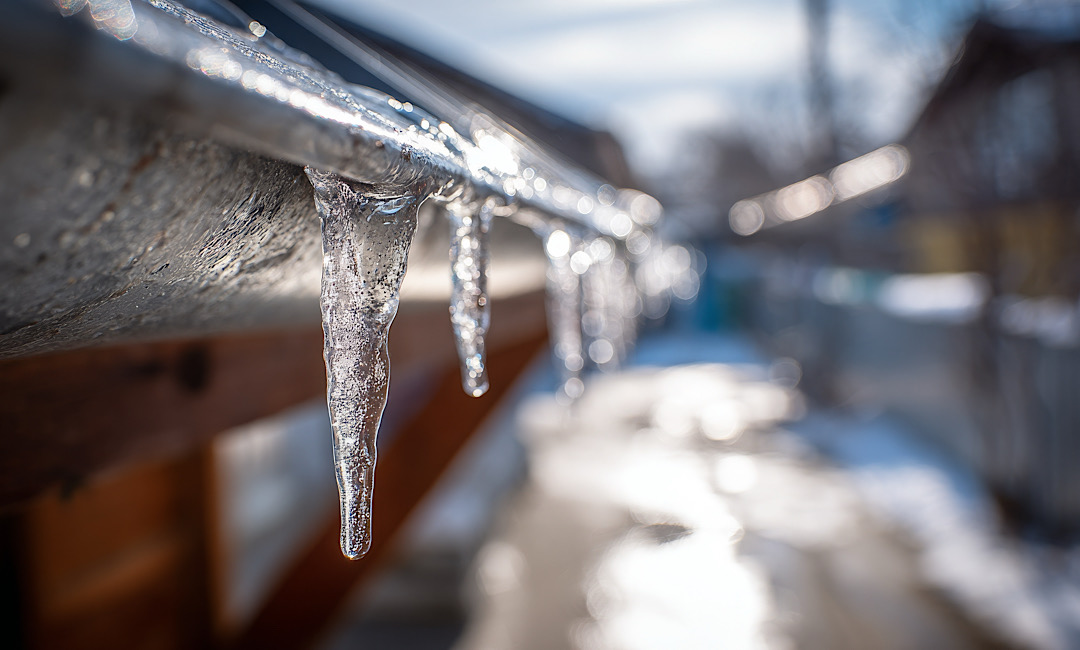
Large commercial icicles may form when melting roof runoff refreezes along gutters or roof edges. These hanging ice formations can become extremely heavy and dangerous, especially near high-traffic pedestrian areas.
Properties facing elevated winter liability risks often include:
If drainage systems overflow due to frozen gutters or blocked downspouts, water may also refreeze near sidewalks, parking structures, loading docks, or building entrances, creating additional slip hazards for tenants, employees, and visitors.
Recurring commercial roof winter damage may also disrupt normal operations through:
Many commercial property owners underestimate the indirect operational costs associated with recurring winter roof failures. Emergency contractor dispatches, tenant relocation, overtime labor, and liability claim management may significantly increase winter maintenance budgets over time.
By proactively addressing ice dam risks before severe weather arrives, facility managers can often reduce both structural repair exposure and winter safety concerns substantially.
These repairs are typically far more expensive than the cost of a commercial roof deicing system installed before winter.
Many commercial facilities still rely heavily on reactive winter maintenance strategies such as emergency snow removal or temporary ice clearing after problems occur. However, recurring commercial roof ice dams often indicate underlying drainage and thermal management deficiencies that require long-term prevention strategies rather than repeated temporary repairs.
Proactive winter protection strategies may include:
Commercial roof deicing systems help maintain drainage flow during freezing conditions by preventing ice accumulation near vulnerable drainage pathways.
Modern commercial ice dam prevention systems often use:
These systems help reduce winter maintenance risks by preventing conditions that commonly lead to frozen drainage systems and uncontrolled roof-edge ice buildup.
According to the U.S. Department of Energy, proactive building infrastructure strategies may improve long-term operational resilience while reducing weather-related maintenance risks.
Commercial properties implementing proactive winter drainage protection often reduce:
Summer and early fall are typically the best times for facility managers to evaluate recurring winter drainage issues before contractor demand increases during peak winter months.
ThermaLine helps Northeast commercial properties develop customized commercial ice dam prevention strategies focused on long-term roof protection, winter safety, and operational reliability during severe cold-weather conditions.
Commercial ice dams form when melting snow refreezes near roof edges, drains, or gutters, blocking proper drainage during freezing weather.
Ice dams may cause water intrusion, roof membrane deterioration, insulation damage, mold growth, and freeze-thaw structural deterioration.
Ice dams may create falling icicle hazards, slippery walkways, roof leaks, blocked drainage systems, and liability risks for tenants and visitors.
Office buildings, multifamily properties, warehouses, healthcare facilities, schools, and retail centers commonly experience winter drainage challenges.
Commercial roof deicing systems, heated gutters, improved drainage protection, and proactive winter maintenance planning help reduce ice dam risks.
If your Northeast commercial property has experienced recurring commercial roof ice dams or winter drainage problems, ThermaLine can help develop proactive solutions designed to reduce roof damage, improve drainage reliability, and protect long-term building performance during severe winter weather.