ThermaLine Ice Melt Systems
Our heated panels are designed to safely eliminate snow and ice buildup before it becomes a problem.



Our heated panels are designed to safely eliminate snow and ice buildup before it becomes a problem.


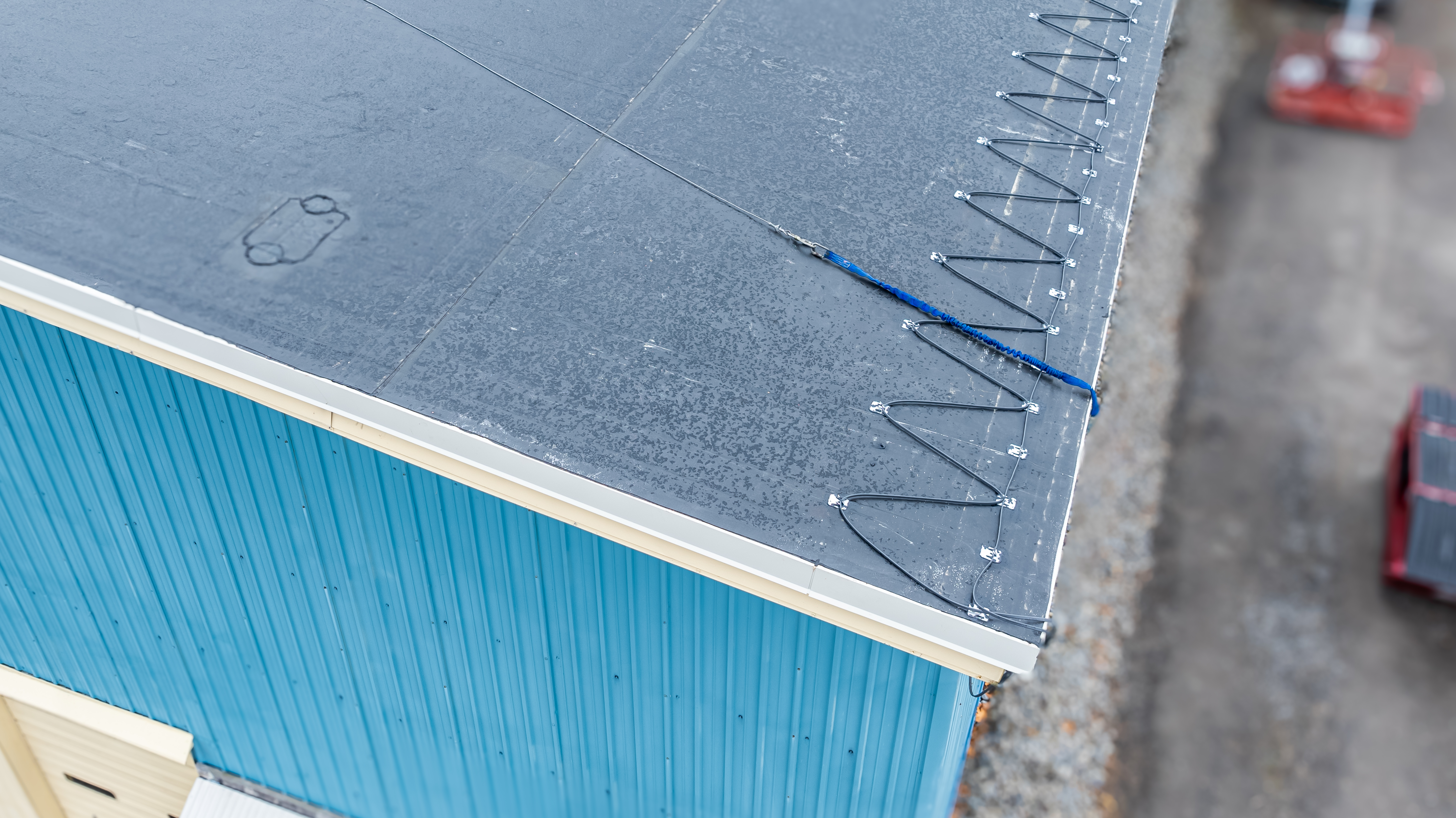
For commercial property owners and facility managers across the Northeast, winter weather planning involves balancing operational reliability with long-term efficiency and cost control. Ice dams, frozen roof drains, blocked gutters, and dangerous refreezing conditions can create major building risks during the winter season, leading many facilities to invest in proactive roof deicing systems. However, one of the most common concerns facility teams raise before installation is how much energy commercial roof heat cable systems actually use during winter operation. Understanding commercial roof heat cable energy use is critical for budgeting, lifecycle planning, sustainability initiatives, and long-term ROI evaluation. Modern commercial roof heating systems are far more efficient than many property owners realize, especially when systems are designed properly and paired with smart operational controls. ThermaLine helps Northeast commercial facilities implement energy-efficient roof deicing systems designed to maintain reliable winter drainage protection while helping manage operating costs and seasonal energy usage. Whether managing office buildings, healthcare campuses, multifamily properties, warehouses, schools, or industrial facilities, understanding how commercial roof heating costs are evaluated can help facility managers make informed winter infrastructure decisions before severe weather arrives.
Commercial roof heat cable energy consumption depends on several factors, including system size, winter weather severity, roof layout, operational schedules, and the type of heat cable technology used. Unlike older heating systems that may run continuously at fixed output levels, many modern roof deicing systems use self-regulating heat cable technology designed to adjust automatically based on surrounding temperatures.
Several variables influence commercial roof heating costs:
Commercial roof heat cable systems are commonly installed in:
Larger facilities with extensive drainage infrastructure naturally require broader system coverage than smaller commercial buildings. However, proper system planning plays a major role in determining overall winter efficiency.
Self-regulating commercial roof heat cable systems operate differently than older constant-output products. These systems automatically reduce heat output as surrounding temperatures rise and increase output during colder conditions. This responsive operation helps reduce unnecessary energy use while maintaining effective ice prevention performance.
According to the U.S. Department of Energy, automated building systems designed to respond to environmental conditions may improve operational efficiency by reducing unnecessary runtime during moderate weather periods.
Commercial roof heat cable energy use also depends heavily on Northeast climate conditions, including:
Because these weather patterns vary throughout the season, system operation naturally changes as winter conditions evolve. A colder winter with frequent snowstorms may increase operational demand compared to milder seasons with fewer freezing events.
Roof insulation quality and drainage performance may also influence winter system efficiency indirectly. Buildings with poor drainage flow or inconsistent roof temperatures may require more active freeze protection to maintain reliable winter drainage.
One of the biggest advances in commercial roof heating systems is the use of automated monitoring and control technology designed to improve winter efficiency while maintaining reliable drainage protection. Older roof heating systems often operated continuously during cold weather regardless of actual snow or moisture conditions, leading to unnecessary operation during milder periods.
Modern energy-efficient roof deicing systems commonly incorporate:
These technologies allow commercial roof heat cable systems to activate only when freezing temperatures and moisture are both present. This targeted operation helps reduce unnecessary runtime while maintaining effective protection against ice dams and frozen drainage systems, including gutters and downspouts that are especially prone to winter blockages.
Key efficiency advantages of smart controls include:
For example, if temperatures remain below freezing but no moisture or snow is present, automated systems may remain inactive rather than operating continuously.
Smart monitoring systems also help facility managers:
Commercial properties with large campuses or multiple facilities often benefit significantly from centralized monitoring because it allows building teams to manage winter systems more consistently across several properties.
According to ASHRAE building system guidelines, automated environmental controls are increasingly important for improving operational efficiency and reducing unnecessary building system operation during changing weather conditions.
Facilities integrating roof deicing systems into broader winter maintenance planning may also improve:
By using responsive monitoring systems rather than constant operation, many modern commercial roof heat cable systems achieve significantly better winter efficiency than older deicing technologies.
Commercial roof heating costs vary depending on system size, local utility rates, climate severity, and seasonal runtime duration. However, many facility managers discover that operating costs are often lower than expected when systems are designed properly for the building’s specific winter exposure conditions.
Several factors influence winter operating costs:
Commercial roof heat cable systems generally operate most frequently during:
Because modern self-regulating systems adjust output dynamically, actual energy use often fluctuates throughout the winter rather than operating at maximum output continuously.
Facilities should also compare roof heating costs against the potential costs of reactive winter maintenance, including:
Many commercial property teams find that proactive roof heating systems help reduce overall winter operating expenses despite seasonal increases in energy use.
Commercial buildings that commonly benefit from proactive roof heating include:
These facilities often prioritize operational continuity because winter drainage failures may disrupt tenants, employees, customers, or critical operations.
Proper system planning also plays an important role in controlling operating costs. Over-designed systems may operate more than necessary, while under-designed systems may fail to prevent dangerous ice buildup effectively.
ThermaLine helps Northeast facility managers evaluate commercial roof heating costs based on building size, roof configuration, climate exposure, and operational priorities to improve long-term winter efficiency and reliability.
Commercial roof heating systems should be evaluated not only by seasonal energy use but also by their broader impact on building performance, maintenance costs, and long-term winter reliability. Many facilities view roof deicing systems as preventative infrastructure investments rather than short-term operating expenses.
Long-term benefits may include:
Energy efficient roof deicing systems may also support broader building resilience goals by helping properties maintain reliable drainage flow during severe winter weather.
Preventing freeze-thaw damage and uncontrolled water intrusion may reduce long-term deterioration caused by repeated winter stress on roofing systems and drainage infrastructure.
Commercial roof heat cable systems may also improve:
According to the Federal Emergency Management Agency (FEMA), proactive infrastructure planning can improve building resilience during severe weather events while reducing operational disruption risks.
As Northeast winters continue producing unpredictable weather patterns and repeated freeze-thaw cycles, many commercial property owners increasingly prioritize proactive winter protection systems designed to balance efficiency with long-term operational reliability.
ThermaLine works with commercial facilities throughout the Northeast to design energy efficient roof deicing systems focused on winter safety, operational performance, and long-term cost management.
Energy use depends on system size, weather conditions, roof layout, automation features, and runtime during winter weather events.
Yes. Modern self-regulating systems with smart controls are designed to reduce unnecessary operation and improve overall winter efficiency.
Large roof areas, prolonged freezing temperatures, heavy snowfall, and older non-automated systems typically increase winter operating costs.
Yes. Snow sensors, moisture detection systems, and automated controls help systems operate only when necessary during winter conditions.
Many facilities reduce emergency repairs, liability risks, and recurring winter maintenance expenses with proactive roof deicing systems.
If your Northeast commercial property is evaluating commercial roof heat cable energy use and winter operating costs, ThermaLine can help design energy efficient roof deicing solutions focused on long-term performance, operational reliability, and winter infrastructure protection.