ThermaLine Ice Melt Systems
Our heated panels are designed to safely eliminate snow and ice buildup before it becomes a problem.



Our heated panels are designed to safely eliminate snow and ice buildup before it becomes a problem.


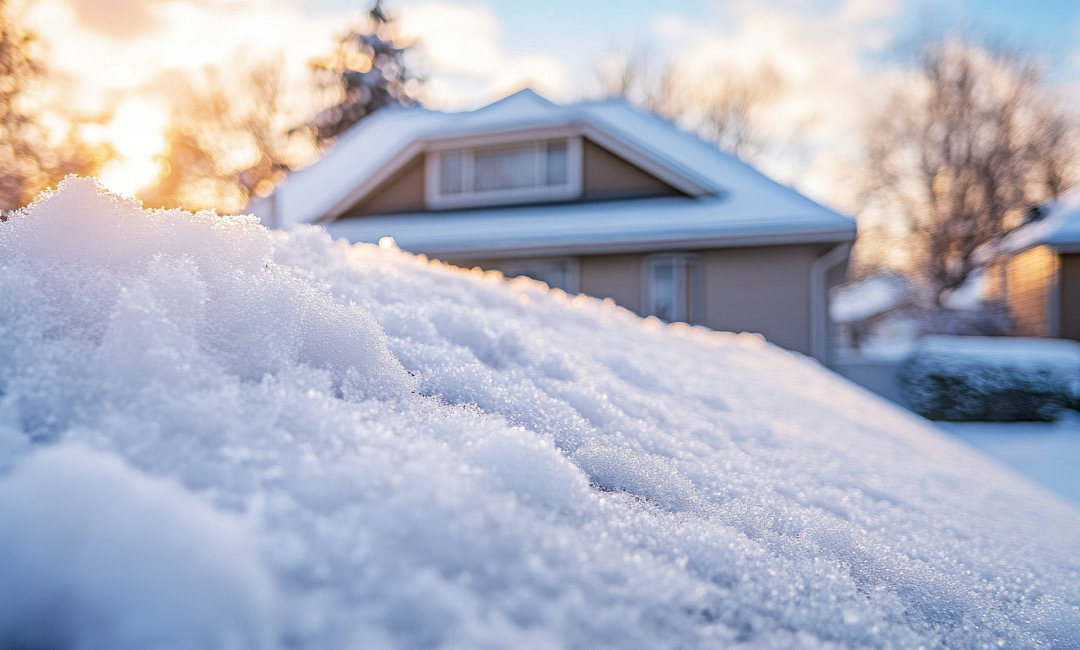
For commercial property owners and facility managers across the Northeast, fall is one of the most important times of year for building preparation and infrastructure planning. Once winter weather arrives, commercial facilities face increased risks involving frozen roof drains, ice dams, snow accumulation, roof leaks, falling icicles, drainage failures, and emergency maintenance disruptions. Severe winter storms can quickly expose weaknesses in commercial roofing systems and drainage infrastructure, especially on buildings that rely heavily on reactive maintenance instead of proactive winter preparation. As freeze-thaw cycles become more unpredictable across the Northeast, many facility teams are investing in commercial roof winterization systems designed to improve operational reliability and reduce costly winter emergencies before peak cold-weather conditions arrive. ThermaLine helps commercial properties evaluate commercial building winterization solutions focused on roof drainage protection, ice prevention, winter safety, and long-term building performance. Whether managing office buildings, healthcare facilities, warehouses, multifamily housing, retail centers, schools, or industrial campuses, understanding which commercial roof winterization systems should be evaluated before winter can help facility managers reduce liability risks, improve drainage reliability, and better protect critical building infrastructure throughout the cold season.
Commercial roof systems experience enormous stress during Northeast winters. Heavy snow accumulation, freezing rain, rapid overnight temperature drops, and repeated freeze-thaw cycles all place pressure on roofing materials, drainage systems, gutters, and building envelopes.
Several winter conditions commonly contribute to commercial roof problems:
Once drainage systems stop functioning properly, water may back beneath roofing materials and create interior leaks, insulation damage, mold growth, and structural deterioration.
Commercial buildings are especially vulnerable because of:
According to the National Roofing Contractors Association (NRCA), preventative roof maintenance and proactive winter drainage management are critical for extending roof system lifespan and reducing long-term repair costs.
Commercial roof winter prep becomes even more important for facilities such as:
These buildings often cannot afford operational disruptions caused by winter drainage failures or emergency roof leaks.
Facility managers who wait until winter storms arrive frequently encounter:
Proactive commercial building winterization helps reduce these risks while improving long-term operational continuity during severe weather conditions.
Commercial roof winterization involves more than simple snow removal planning. Modern winter infrastructure systems are designed to proactively manage drainage flow, reduce ice accumulation, and protect vulnerable building components before severe weather creates emergency conditions.
Several commercial roof winterization systems deserve evaluation before winter begins:
Commercial roof deicing systems help maintain drainage flow during freezing weather by preventing ice accumulation around vulnerable roof areas.
These systems commonly protect:
Modern self-regulating heat cable technology automatically adjusts heat output based on surrounding environmental conditions. This allows systems to operate more efficiently while maintaining reliable freeze protection during changing winter weather.
Heated gutter systems are also important for commercial properties experiencing recurring winter drainage failures. Frozen gutters and downspouts often lead to overflowing water, roof edge ice dams, and dangerous icicle formation near pedestrian areas.
Commercial gutter deicing systems help reduce:
Roof drain heat tracing is especially valuable for flat and low-slope roofs where standing water may accumulate if drains freeze during snowmelt events.
Facilities should also evaluate building automation capabilities involving:
According to ASHRAE building system guidelines, automated environmental controls may improve winter operational efficiency and reduce unnecessary energy consumption during changing weather conditions.
ThermaLine works with Northeast commercial facilities to evaluate winter infrastructure systems based on roof design, drainage layout, climate exposure, and operational priorities.
Many commercial buildings already show signs of winter vulnerability before severe weather arrives. Unfortunately, these warning signs are often overlooked until emergency conditions develop during the coldest part of the season.
Common indicators of commercial roof winterization problems include:
Additional warning signs may include:
According to the Federal Emergency Management Agency (FEMA), uncontrolled water intrusion during severe weather events may significantly increase long-term building repair and remediation costs.
Commercial properties with recurring winter drainage problems often experience increasing operational risks involving:
The Occupational Safety and Health Administration (OSHA) continues to identify snow and ice hazards as major safety concerns for commercial facilities.
Buildings with high pedestrian traffic near entrances, walkways, parking structures, loading docks, and emergency exits may face especially high liability risks if drainage systems freeze and create uncontrolled ice accumulation.
Facility managers should also monitor whether winter maintenance costs continue increasing year after year. Repeated emergency repairs often indicate that proactive winterization upgrades may provide stronger long-term operational value than ongoing reactive maintenance.
Fall provides the ideal opportunity for commercial property teams to evaluate roof infrastructure and complete winterization upgrades before severe weather conditions intensify.
Several advantages make fall planning critical:
Once winter storms begin, contractor demand increases sharply throughout the Northeast. Emergency repair schedules often limit installation flexibility and increase labor costs substantially, which is why timing heat cable installation correctly makes such a difference for facility budgets.
Fall commercial roof winter prep allows facility managers to:
Commercial buildings with large roof systems or complex drainage infrastructure may require additional engineering and installation coordination before winter systems become fully operational.
Proactive planning also improves budgeting predictability by reducing emergency maintenance surprises during peak winter months.
ThermaLine helps Northeast facility managers develop customized commercial roof winterization systems focused on drainage protection, ice prevention, operational continuity, and long-term building resilience.
As severe winter weather patterns continue affecting commercial facilities throughout the Northeast, proactive commercial building winterization has become an essential component of long-term facility management and infrastructure planning.
Commercial roof winterization systems include roof deicing systems, heated gutters, drain heat tracing, and automated controls designed to protect buildings during freezing weather.
Winter preparation helps reduce roof leaks, frozen drainage systems, ice dams, liability risks, and emergency maintenance disruptions.
Office buildings, healthcare facilities, warehouses, multifamily housing, schools, retail centers, and industrial facilities commonly benefit from proactive winter protection.
Commercial roof deicing systems use heat cable technology and automated controls to maintain drainage flow and prevent dangerous ice accumulation.
Fall is typically the best time to inspect roof systems, evaluate drainage risks, and install winter protection systems before severe weather arrives.
If your Northeast commercial property is preparing for severe winter conditions, ThermaLine can help evaluate commercial roof winterization systems designed to improve drainage reliability, reduce emergency maintenance risks, and protect long-term building performance throughout the winter season.